Half a working day. Your own managers find the operational problems, put a number in money next to each one, and walk out with a solution, a team and a first step.
A technology shift wipes out what was an advantage for twenty years, and it does that in a year or two. The company keeps trading profitably. Right up to the moment when it is too late.
Average tenure of a company in the S&P 500 today. It keeps falling decade after decade.
Apollo Global Management, Torsten Slok, 01.03.2026, based on Innosight dataThat many companies rank innovation in their top three priorities. And that many are actually ready to deliver it.
BCG, 18th annual innovation study, 04.06.2024, over 1,000 executivesIn two years the share of innovation-ready companies fell sixfold. The gap is widening, not closing.
BCG, same study, 2022 against 2024Almost everyone has tried. Usually more than once. The reasons repeat from company to company, and none of them is about budget.
A company is built to protect the process that works. It rejects the new not out of ill will but by design.
Managers are measured by the quarter, a new direction pays back in three to five years. It loses every time.
Procurement, legal and IT rules exist to replicate the proven. On the unknown the very same processes act as a brake.
Corporate venture, innovation lab, buying a startup. All of it is about someone else's ideas. Your own pain stays unquantified.
You already have that problem. The people on the floor know it. They have simply never been asked in a format where the answer has to be counted in money.
We do not arrive with a list of your shortcomings. We bring the instrument your own people use to describe it.

Three hours of working time; with a break and questions the session takes three to four. We fit your schedule, the set of blocks stays the same.
We research your segment: companies of your profile in other countries, their operational pains, loss figures, sources. We prepare the platform and participant accounts. All we need from you is the group composition.
Why decisions about the new are made irrationally: Kahneman and Tversky, Nobel Prize 2002. Three generations of Lean: Toyota, Eric Ries, Lean 3.0. Why an enterprise does not innovate on its own.
Groups formulate their pains and price each one. Cross interviews between units. Prioritisation. Reframing the problem: not "stocktaking is broken" but "the warehouse model is broken". And a check against the segment data we gathered in advance.
Teams present: the problem, its price, the solution, the team. The people ready to lead it raise their hands themselves. That is the main result of the session, not a side effect.

The practicum regularly shows that a pain you considered your internal mess repeats word for word at companies of your profile in other countries. That changes the arithmetic: what you were about to pay for as clearing up your own mess turns out to be a product the whole segment pays for.
Then we talk separately, and only if your own numbers justified it. Nothing about the session itself creates any obligation.

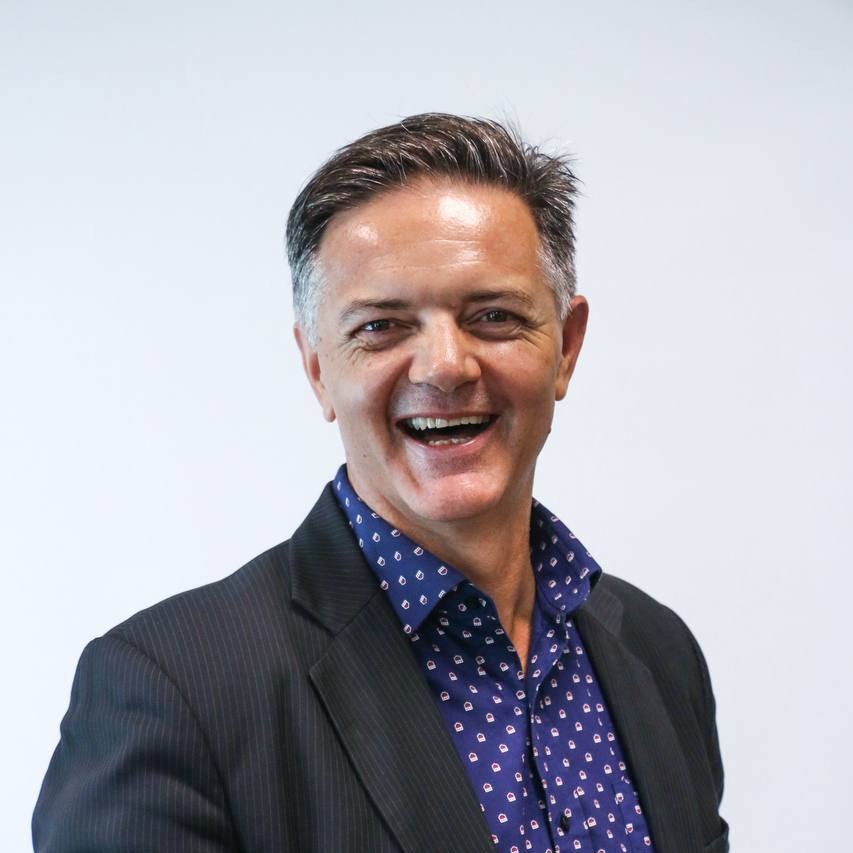
Runs the workshop personally.

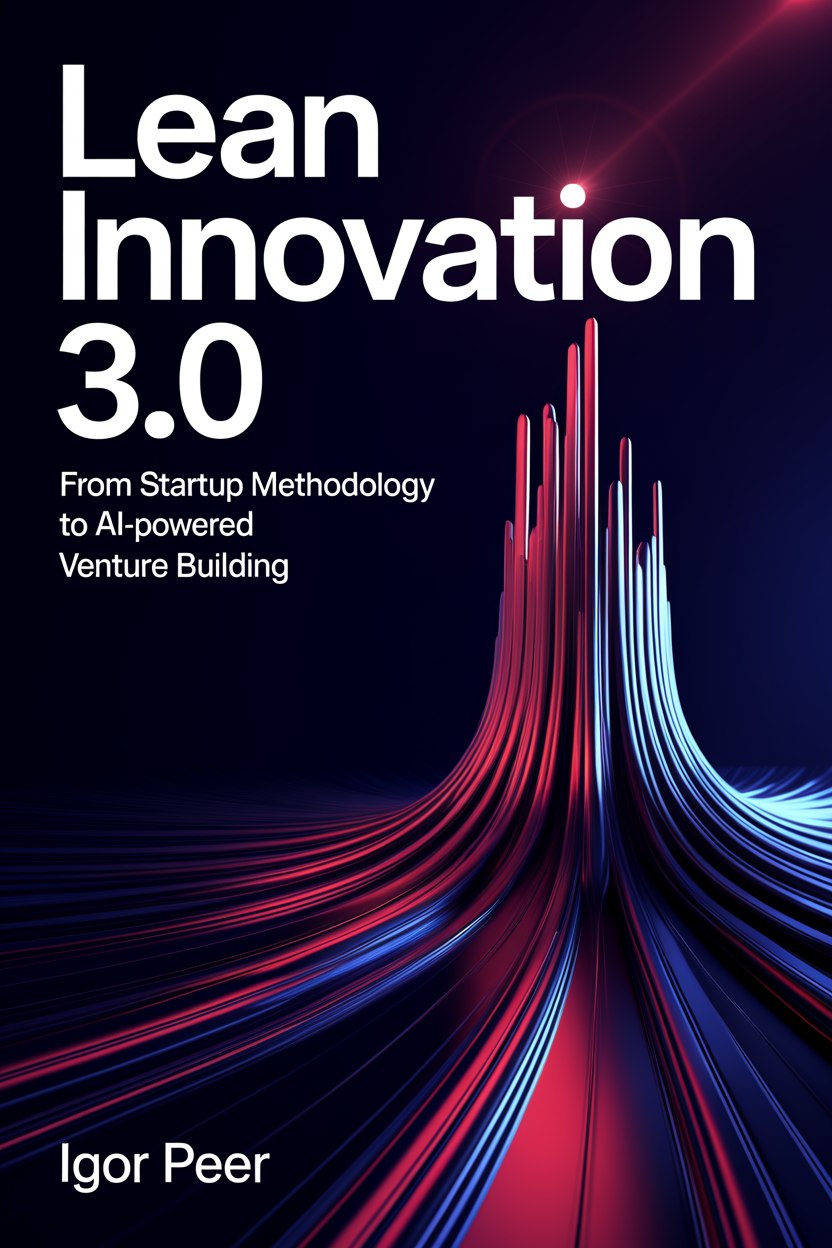
From Startup Methodology to AI-Powered Venture Building
The methodology behind the workshop is published as a book, not invented for the meeting. Chapters on prospect theory, minimum sellable product and pre-start marketing are the same material the lecture is built on.
We discuss your segment, the group composition and a date. After the call you get the programme tailored to your company and the pre-setup timeline. Nothing to prepare for it.